Can Carpet Make Your Upstairs Rooms Quieter?
Noise is not always caused by loud conversations, televisions, or appliances. Sometimes it is simply part of everyday life: footsteps crossing a hallway, children moving between bedrooms, a chair being pulled across the floor, or someone getting ready early in the morning.
In a multi-level home, these ordinary sounds can travel between floors and become more noticeable than expected. Hard flooring can make footsteps and other impact sounds particularly apparent, especially when rooms are connected by hallways and open staircases.
For homeowners in St. Peters, Dardenne Prairie, and Creve Coeur, carpet is worth considering when comfort and a quieter indoor environment are priorities. Its soft surface can help absorb sound within a room and reduce the noise created by everyday movement.
However, it is important to understand what carpet can and cannot do. It can contribute to a more comfortable acoustic environment, but it is not a complete soundproofing solution. The construction of the floor, ceiling, walls, and overall building all influence how sound travels through a home.
Why Footsteps Can Sound Louder on Hard Floors
When someone walks across a hard surface, each footstep creates an impact. That impact can produce vibrations that travel through the flooring structure, while sound also reflects around the room.
The result may be noticeable in the room itself or in the space below. In an upstairs hallway, for example, repeated footsteps may create a series of sharp sounds that can be heard in the living room beneath it.
The amount of noise depends on several factors, including the type of flooring, the subfloor construction, the room's furnishings, and the building structure.
Hard surfaces generally provide less cushioning at the point of contact than carpet. This is one reason why footsteps may sound more pronounced on some hard flooring installations.
Carpet introduces a softer surface that can reduce the sharpness of footfall noise within the room. When paired with suitable padding, it can also contribute to a more comfortable walking experience.
How Carpet Helps Absorb Everyday Sound
Carpet has a soft, fibrous surface that can absorb some sound energy rather than reflecting it in the same way as a hard surface.
This can help reduce the sense of echo within a room, especially where there are many hard surfaces such as bare walls, windows, and minimal furniture.
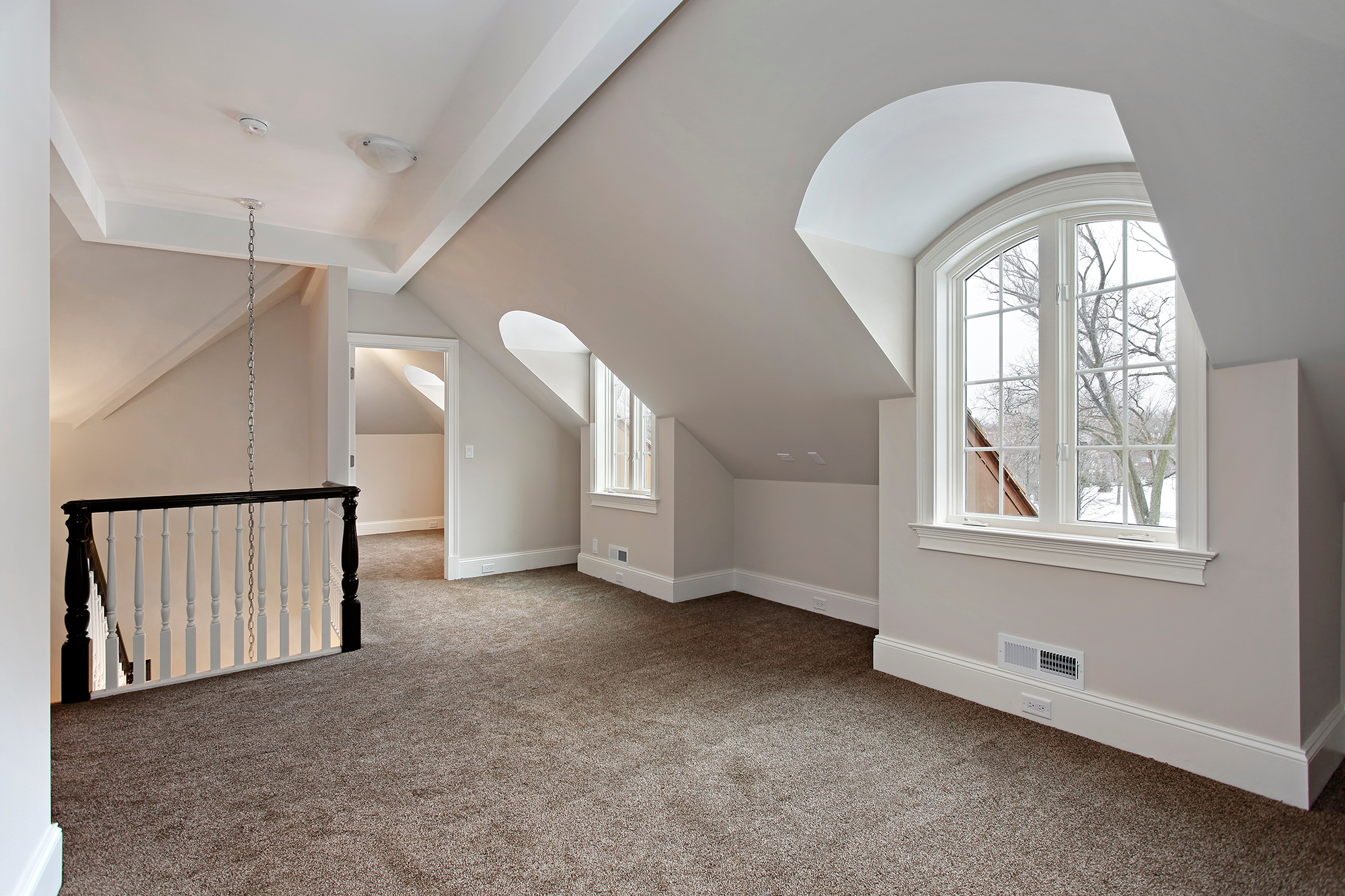
The effect is particularly useful in upstairs bedrooms and hallways. A carpeted floor can make movement feel softer and help create a more comfortable atmosphere.
It can also reduce the noise associated with objects making contact with the floor. A dropped soft toy, a moving footstool, or a chair being shifted may produce less sharp sound on carpet than on a hard surface.
However, sound travels through more than the visible flooring material. Vibrations can move through joists, subfloors, walls, and ceilings. Carpet can help with certain types of room noise and impact sounds, but it cannot eliminate all sound transmission between floors.
Why the Carpet Pad Matters
The carpet itself is only part of the acoustic equation. The padding beneath it also contributes to the overall feel and performance of the finished floor.
A suitable carpet pad provides cushioning and supports the carpet during everyday use. Depending on the product and installation system, it can also help reduce some impact noise.
The correct pad should be selected according to the carpet manufacturer's recommendations. Thickness, density, material, and compatibility all matter.
A thicker pad is not automatically better. If it is too soft or unsuitable for the carpet, it may affect how the carpet performs and could contribute to premature wear or installation problems.
Homeowners should ask about the recommended carpet and padding combination rather than choosing each component independently.
If noise reduction is a major priority, ask whether the manufacturer provides acoustic performance information for the complete flooring assembly. This is more useful than assuming that any carpet and pad combination will deliver the same result.
Which Rooms Benefit Most From Carpet?
Upstairs bedrooms are an obvious place to consider carpet. They are often used as quieter personal spaces, where a soft floor can make early mornings and evenings more comfortable.
A carpeted bedroom may also feel more inviting during colder months, particularly when someone gets out of bed and steps onto the floor.
Hallways are another area worth considering. Because people move through them repeatedly, they can be a significant source of footstep noise. Carpet can soften the walking surface and create a quieter connection between bedrooms.
Children's rooms may also benefit from carpet. Playing, walking, and moving toys around can create repeated impact sounds, and a soft floor can make the room more comfortable for everyday activities.
A home office is another possibility, particularly when the room is located above a living space. Carpet may reduce the sound of chair movement and footsteps, although the type of office chair and any floor protection should also be considered.
The best approach is to identify where noise is most noticeable and select flooring according to the room's use.
Choose the Right Carpet Construction for the Room
Carpet comes in a wide variety of constructions, and the best choice depends on the balance between comfort, durability, and maintenance.
Cut-pile carpet has fibres that are cut at the surface, creating a soft feel underfoot. It is available in different textures and can suit bedrooms where comfort is a priority.
Plush styles offer a more uniform appearance, while textured cut-pile options introduce variation that can create a relaxed, casual look.
Loop-pile carpet has fibres that remain in loops, producing a more structured surface. It may be worth considering for certain hallways or other frequently used areas, provided the product is suitable for the household and its maintenance requirements.
Textured carpet can offer a useful middle ground, adding visual interest while remaining suitable for everyday living. The specific fibre, density, and construction should still be evaluated before choosing it for a busy room.
Remember that softness alone does not determine acoustic performance. The carpet and padding should be considered together, and the complete product specifications should guide the decision.
Can Carpet Help With Noise in an Open Staircase?
Open staircases can create a direct connection between different parts of the home. Sounds from upstairs may travel down the stairwell, while noise from the main living area can move upward.
Carpeting the stairs can help soften the sound of people walking between floors. A runner or wall-to-wall stair carpet can provide a cushioned surface that reduces the sharpness of footsteps.
The choice between a runner and full stair carpeting is largely a design and installation decision. Both approaches need to be fitted securely, with suitable materials and components.
The surrounding floors should also be considered. If the upstairs hallway is carpeted but the staircase has a hard surface, the transition may create a noticeable difference in both appearance and sound.
A coordinated installation can make the entire connection feel more considered.
What If You Want Carpet Upstairs and Luxury Vinyl Downstairs?
Many homeowners prefer different flooring materials on different levels. Luxury vinyl may be suitable for selected main-floor areas where easy cleaning and a hard surface are priorities, while carpet can bring softness to upstairs bedrooms and hallways.
This combination can work well from both a practical and visual perspective. It allows each level to serve its purpose without requiring the same flooring throughout the entire home.
The transition between the two materials should be planned carefully. Doorways, stair landings, and changes in floor height may require suitable transition components.
Color coordination is also important. A warm wood-look luxury vinyl plank can complement a neutral carpet, while a cooler vinyl design may pair better with a carpet in a compatible gray or understated neutral tone.
There is no need for the surfaces to match exactly. They simply need to work together as part of the same interior.
Carpet Is Not the Only Part of a Quieter Home
Although carpet can make a meaningful difference to the sound within a room, other elements of the home also influence noise levels.
Rugs and upholstered furniture can help absorb sound in rooms with many hard surfaces. Curtains can soften the acoustic environment around windows, while bookshelves and other furnishings can reduce the feeling of an empty, echoing space.
Door seals and the construction of walls and ceilings can also affect how sound moves between rooms.
If the main concern is substantial noise transmission between floors, it may be worth investigating the floor and ceiling assembly rather than relying on a carpet replacement alone. Structural changes or specialized acoustic systems may be needed for more significant sound-control goals.
The flooring decision should be based on realistic expectations about what the product can achieve.
Keep Carpet Comfortable With the Right Maintenance
A regular care routine helps preserve carpet's appearance and feel.
Vacuuming removes dust and debris before they become embedded in the fibres. The frequency should reflect how often the room is used and whether pets or children are present.
Spills should be treated promptly using the manufacturer's recommended cleaning method. Avoid excessive water and harsh chemicals that may affect the carpet or its backing.
Furniture protectors can help prevent excessive compression in areas where heavy furniture remains in place. It is also useful to rotate furniture arrangements occasionally where practical, allowing the carpet to experience a more even pattern of use.
Following the product's care instructions is particularly important when choosing carpet for a busy upstairs hallway or family bedroom.
Create a More Comfortable and Peaceful Upstairs Space
Carpet can contribute to a quieter, softer, and more comfortable home, especially in bedrooms, hallways, and staircases where footsteps are part of everyday life. The right combination of carpet construction and padding can help reduce certain types of noise, although the overall building structure will continue to influence sound transmission between floors.
Explore the
carpet selection at Michael's Flooring Outlet to find styles that complement your upstairs rooms and the way your household lives.
If you are considering carpet to improve comfort or reduce everyday footstep noise, it is worth comparing the available constructions and padding options before making a decision.
Contact Michael's Flooring Outlet to discuss your flooring needs in St. Peters, Dardenne Prairie, or Creve Coeur, Missouri.